
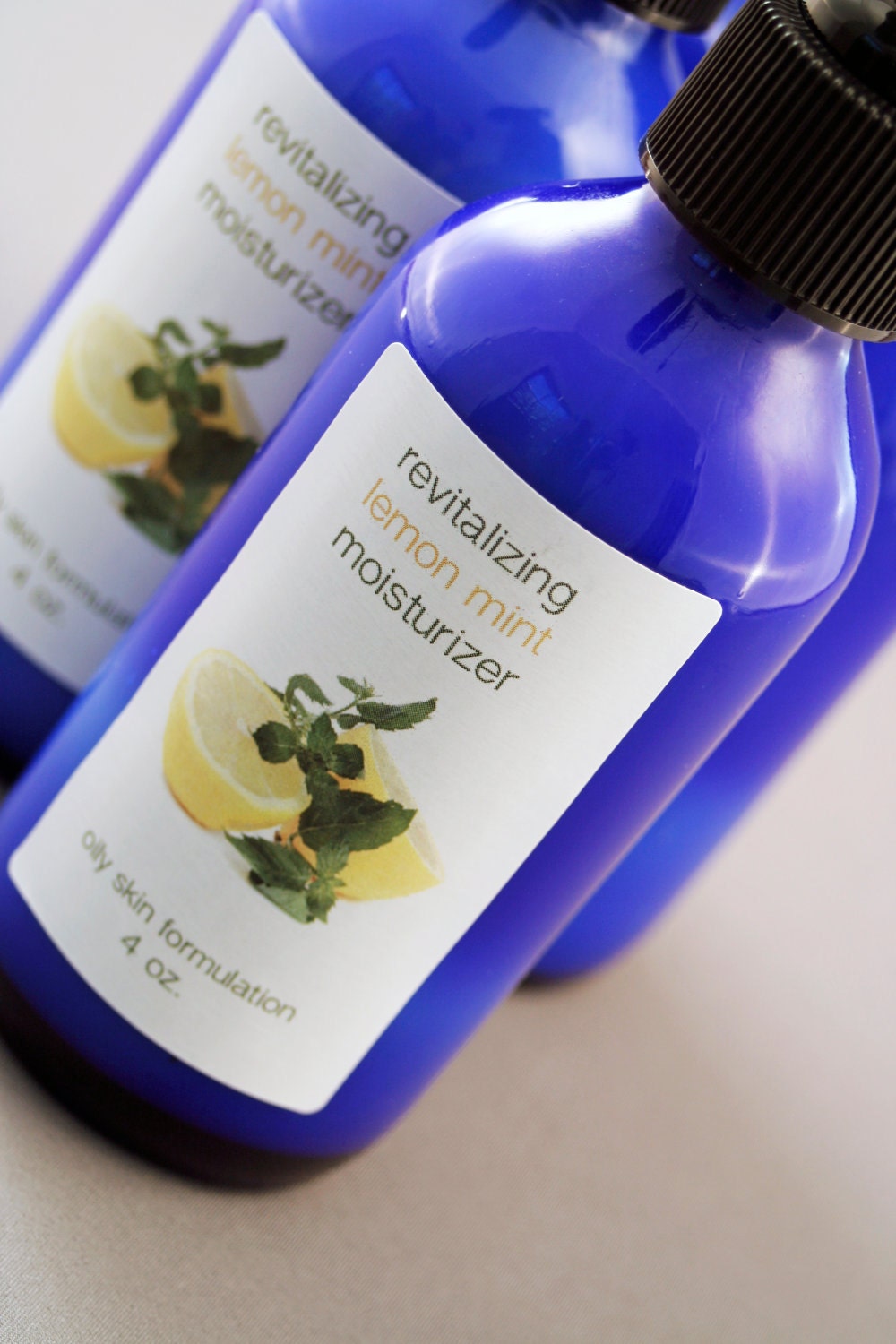
The third step of a solid skin care routine is moisturizing. If you have taken the time to research the appropriate cleanser for your skin type, and found a hydrating and balancing toner, then let’s make sure the moisturizer you select is going to complement and enhance your healthy skin profile, and not create havoc on your face. *Note: this entire discussion is regarding over-the-counter moisturizers, not pharmaceutical-grade products.
What a moisturizer is, and is not. A moisturizer is a product that we place on our skin to condition, protect, and help slow down the evaporation of water from our skin cells. Technically speaking, a moisturizer does not “moisturize” our skin at all; if using the right product, it facilitates the body’s natural ability to hydrate itself. Think this through for a moment; most moisturizers you have used are somewhat thick, as compared to water, right? When you put them on your face they don’t immediately get absorbed do they? No, they don’t, and the reason is that the molecular size of the combined ingredients is too large to be absorbed by our skin cells. So what happens is that the product gets moved around the surface of your skin, and absorbs the already dead skin cells. This is why your skin looks good immediately after applying moisturizer, and why make-up goes on smoother. Now remember, the moisturizing product has not been absorbed into the skin, it is only sitting on top. This is really important to understand, especially if you are considering investing in a $300.00 jar of moisturizer that is going to ‘plump up your skin to it’s youthful radiance’.
So now that you know what a moisturizer cannot do, you should know what it can do. First, there are two types of moisturizers; occlusive, and humectants. An occlusive moisturizer lies on top of the skin, and helps to prevent the loss of hydration from your skin, awesome right? Well sometimes, but not for daily use. An occlusive moisturizer keeps hydration in, but it also clogs the pores, and prevents oxygen from getting to the cells, Oxygen is critical for your skin’s overall health. Preventing oxygen from being absorbed makes your skin more susceptible to the spread of harmful bacteria. Since bacteria cannot live in the presence of oxygen (it oxidizes), it is a skin care best practice to allow oxygen to reach the skin by not preventing it with occlusive products. So how do you know if a product is occlusive? Look on the ingredient list for items like mineral oil, petrolatum, and lanolin to name a few. Naturally, there are valid reasons for wanting to use an occlusive product, but this should be done for a short period, not on a daily basis.
The second type of moisturizer is a humectant, that is, a moisturizer that works to attract hydration. Humectants draw moisture from the dermal (living layer) of the skin, to the epidermal layer. Additionally, when the relative humidity is above 70%, a humectant will pull moisture from the air. How great is that?! Humectant-type moisturizers are what you find most commonly in spas, medical offices, and in the beauty aisle. Humectant moisturizers make an incredible delivery system for active/performance ingredients that you want to work in conjunction with the ingredients from your toner and/or serum. If you read yesterday’s post on toner, you may now being seeing how this all comes together for the benefit of your skin. When you apply a moisturizer over skin that is damp from toner, you are creating a layer of hydration between the two products, that lasts longer, and works to more effectively hydrate your skin.
A note about sanitation: Generally, any product you put your fingers into will be fully contaminated within three weeks time. For some reason, product manufacturers L.O.V.E to put moisturizers in jars. Yes, yes, they usually include a little spatula so you won’t stick your fingers in there, but you do anyway, and so do I (BTW, bad choice if you have just spent $300 for that jar). Please, I implore you to only buy facial care products that are packaged with your safety and sanitation in mind.
So here are the Pro-tip’s for moisturizer:
1. Only purchase moisturizers that come in sanitary containers.
2. Apply moisturizer to freshly washed and toned skin, while the skin is still damp from the toner.
3. Place the moisturizer on your forehead, nose, cheeks, chin, and neck.
4. Starting with your neck, using your hands, make small circular movements in an upward direction, all the way to the top of your forehead. Be gentle.
5. Repeat two times a day.
Tomorrow we will finish our baseline skincare series with sunscreen. Until then, take what you’ve learned so far, and get started. Your skin will love you for it.
© 2011 OC Skin Solutions

